What Is Bakelite Fabric?
Bakelite fabric is a technical material that has long been used in industrial applications and is valued for its excellent mechanical and electrical properties. Thanks to its reliability and performance, it continues to be used in numerous technical and manufacturing applications.
This material is widely used in many industrial environments due to its outstanding versatility and strength. In addition to providing exceptional durability, Bakelite fabric is designed to withstand a wide range of environmental stresses.
How Is Bakelite Fabric Made?
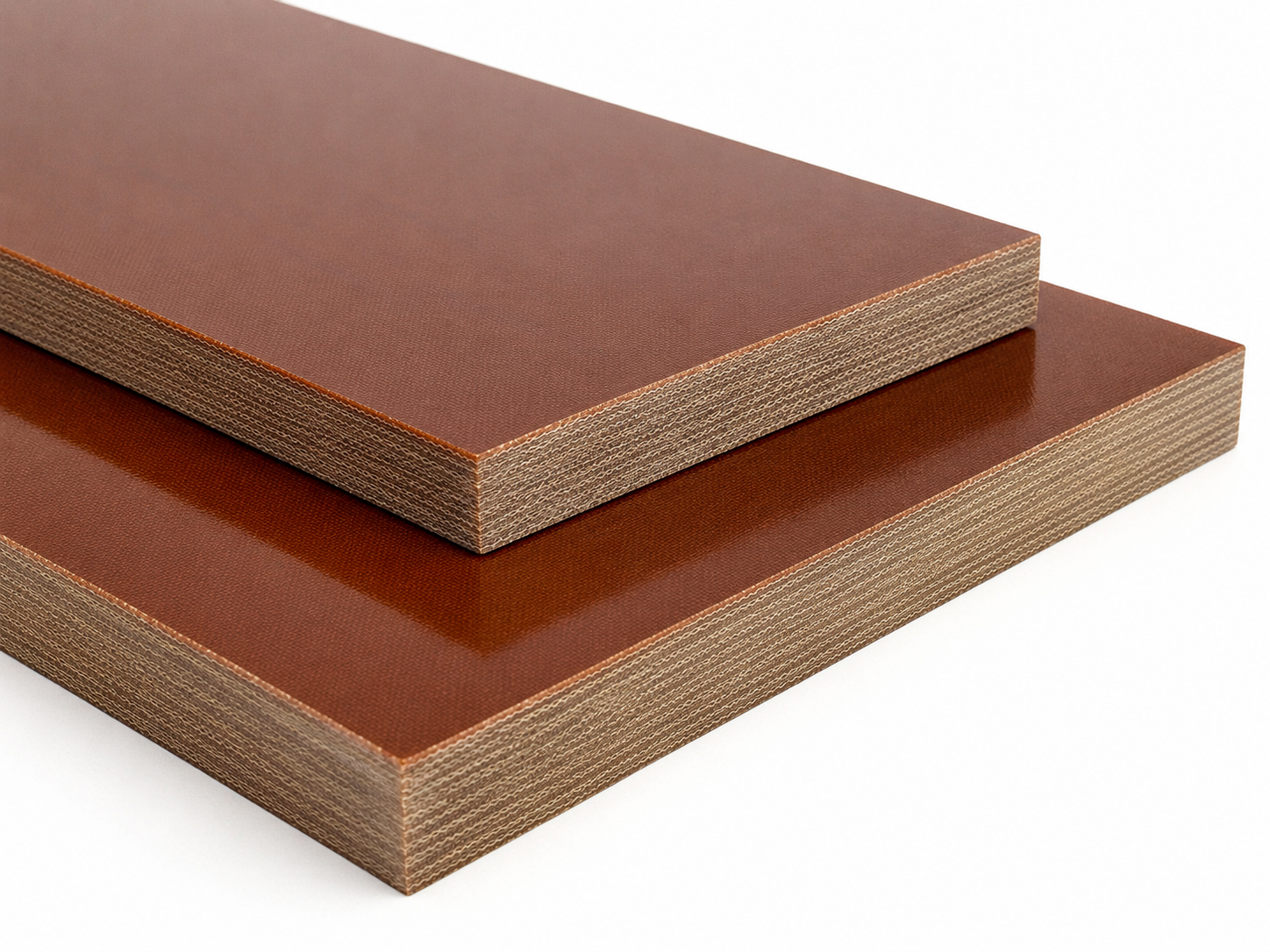
Bakelite fabric is made from layers of cotton fabric impregnated with phenolic resin and subsequently subjected to pressing. This structure gives the material high rigidity, good dimensional stability, and excellent insulating properties.
Unlike other composite materials, Bakelite fabric does not contain polyester fibers and retains cotton as its primary reinforcement. The result is a technical laminate particularly suitable for machining and industrial applications requiring strength and precision.
Mechanical Properties of Bakelite Fabric
Physical Characteristics
The physical properties of Bakelite fabric are essential to its applications. This material stands out for its high tensile and tear resistance, making it suitable for demanding operating conditions. In addition, its relatively low weight facilitates handling and integration into various industrial applications.
Strength and Durability
Designed to withstand demanding operating conditions, Bakelite fabric offers good mechanical strength and high long-term reliability. The material can operate at temperatures of up to approximately 120°C while maintaining its main characteristics unchanged. It also has self-lubricating and non-abrasive properties, which are particularly appreciated in applications involving components subject to movement and friction.
Dielectric Properties of Bakelite Fabric
Permittivity Values
The dielectric properties of Bakelite fabric make it extremely effective in electrical applications. Permittivity, an essential parameter, indicates how the material interacts with electric fields, and high permittivity values are important for ensuring optimal electrical insulation.
Thermal and Electrical Conductivity
In addition, Bakelite fabric provides good conductivity characteristics while maintaining a balance between electrical and thermal resistance. This makes it ideal for thermal insulation devices, helping to prevent short circuits and protect sensitive equipment thanks to its low electrical conductivity.
In addition to its insulating capabilities, Bakelite fabric is particularly valued for its good balance between electrical properties and mechanical strength, a characteristic that has contributed to its widespread use in numerous electrical engineering and industrial applications.
Industrial Applications of Bakelite Fabric
Fields of Application
Bakelite fabric is used in numerous industrial sectors, including:
- Electrical and electromechanical components, thanks to its insulating properties.
- Gears, guides, supports, and mechanical components subject to wear.
- Work surfaces and bases for machine tools and CNC machining centers.
- Technical components requiring a rigid, stable, and easily machinable material.
- Industrial applications where good mechanical performance combined with reliable dielectric properties is required.
Real-World Case Studies
A significant example of the successful application of Bakelite fabric has been recorded in the construction sector, where it was selected for the insulation of electrical cables in a large residential project.
Similarly, Bakelite fabric is used in the production of mechanical components and custom-machined parts, particularly in applications requiring dimensional precision, good insulating properties, and wear resistance.
Competitive Advantages of Bakelite Fabric
The competitive advantages of Bakelite fabric derive from the combination of high mechanical properties, insulating capabilities, and ease of machining. Its self-lubricating and non-abrasive characteristics make it particularly suitable for manufacturing technical components, gears, and mechanical parts subject to movement.
Suppliers and Processors of Bakelite Fabric
How to Choose the Right Supplier
Selecting Bakelite fabric suppliers requires careful consideration of several factors, including:
- Reputation: Choose suppliers with a proven track record in the industry and positive feedback.
- Certifications: Ensure that the supplier holds the necessary certifications to guarantee material quality.
- Customized Services: Some suppliers, such as ISOLMAX, offer profiling and custom cutting services, providing valuable opportunities for specific projects.
Processing Services Offered by ISOLMAX
ISOLMAX is a leader in Bakelite fabric processing, offering a wide range of customized solutions. The services provided include:
- Cutting and Shaping: Custom cutting services tailored to specific requirements.
- Coatings: Advanced technologies for additional material protection.
- Technical Consulting: Expert support to assist customers in selecting the best solutions for their requirements.
Bakelite fabric represents a strategic choice for a wide range of industrial applications thanks to its superior mechanical and dielectric properties. With a broad range of applications in the electromechanical, industrial, and mechanical machining sectors, Bakelite fabric provides a reliable solution for high-performance technical components.
Choosing the right suppliers and processors, such as ISOLMAX, is essential to ensure high-quality solutions for production requirements. Investing in Bakelite fabric not only improves operational efficiency but also ensures long-lasting reliability for projects. For further information about Bakelite fabric suppliers and technical specifications, we invite you to explore the available dedicated resources or contact industry experts.