
Energy and Railway Transport: Strategic Sectors for Composites
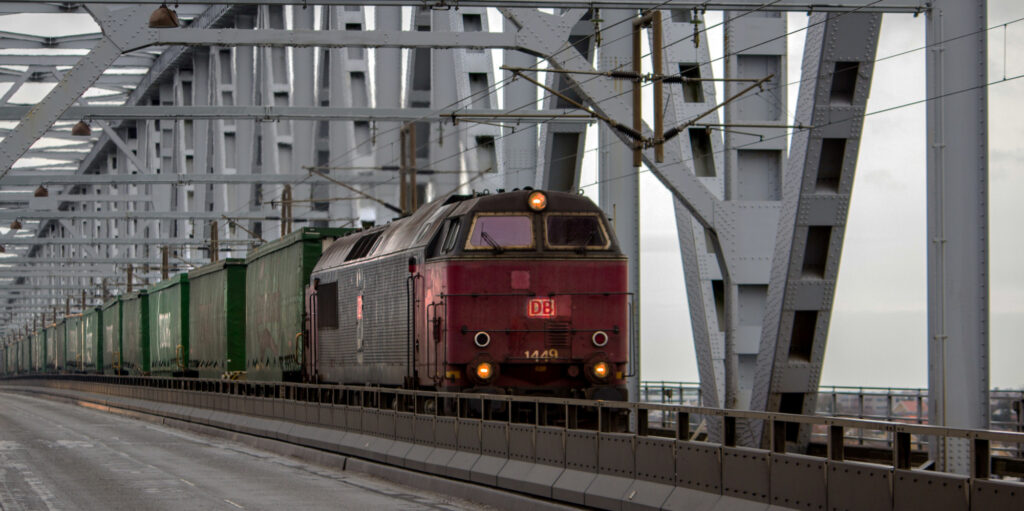
Quando si parla di materiali compositi, il pensiero va subito a contesti ultra tecnologici o a settori altamente specialistici. Eppure oggi più che mai, questi materiali stanno uscendo dai laboratori per entrare a pieno nel cuore dell’industria: settori che sono cruciali, come quello dell’energia o dei trasporti ferroviari che ne fanno un uso sempre crescente e con risultati sorprendenti.
The evolution of layered materials: from Bakelite to advanced composites
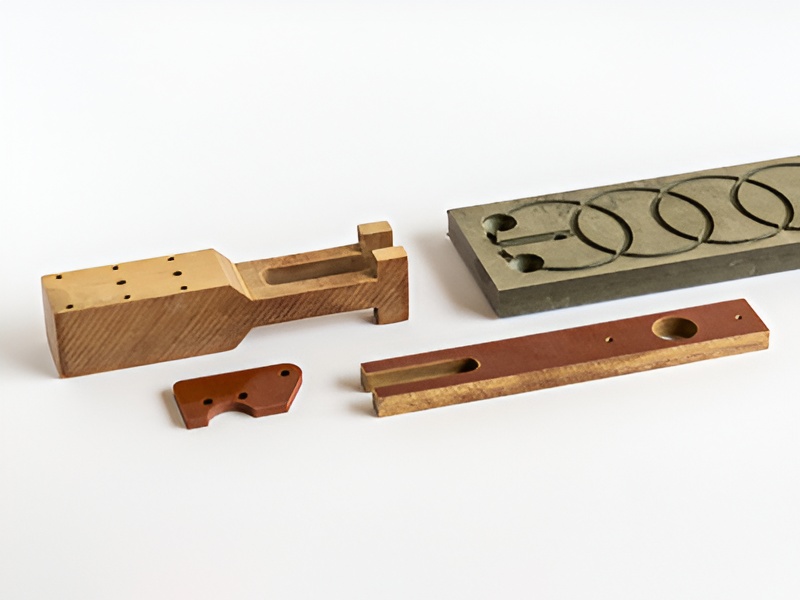
Advanced composite materials, as we know them today, are the result of decades of research and innovation, driven by a common goal: to ensure effective thermoelectric insulation.
Electrical layer insulation: structure, properties and industrial applications

In the industrial world, there are materials that, while not attracting attention, are essential for ensuring the safety, efficiency and durability of systems.
G10, G11, FR4 and FR5: the highest-performance epoxy glass fibres for industry
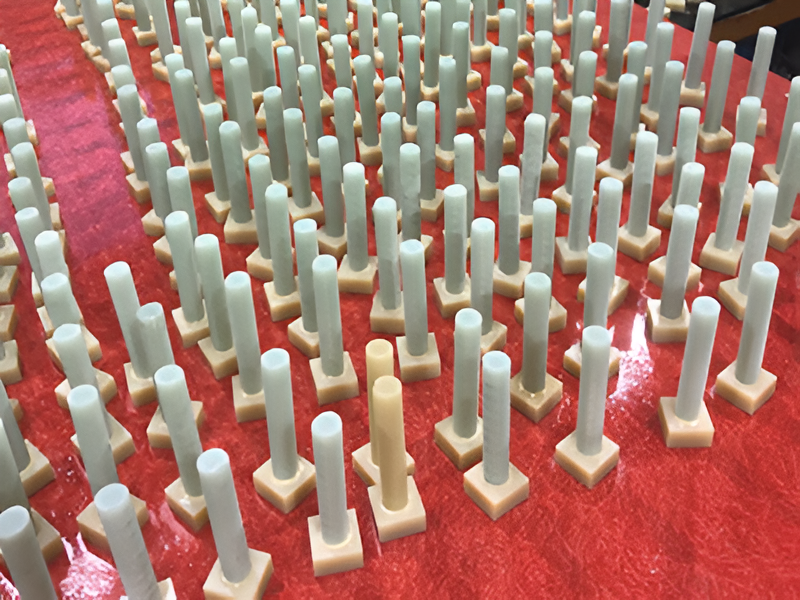
Epoxy glass is now a benchmark in the electrical and electronic sector, thanks to its renowned strength and reliability.
Grazie alle loro caratteristiche elevate, questi componenti fronteggiano efficacemente gli elevati standard di durata e sicurezza imposti dai contesti produttivi più esigenti.
Tra questi materiali, i più diffusi sono i vetri epossidici G10, G11, FR4 e FR5, ognuno progettato con caratteristiche specifiche in grado di rispondere alle diverse esigenze dell’industria odierna.
ISOLMAX: 40 years of high quality insulating materials
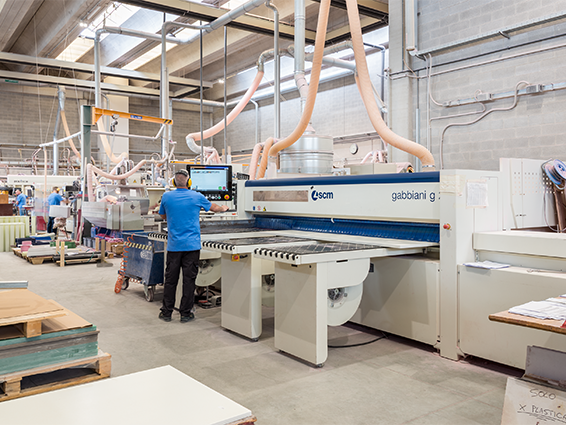
Isolmax has been on the Italian insulation materials market for nearly 40 years and provides products of excellent quality and performance.
GPO3: Extraordinarily Performing Polyester Glass

The material commonly known as GPO3, REPOGLASS, PL3, and DUROSTONE UPM203 represents an excellent technical solution for applications requiring high electric and thermal performance.
Steel industry
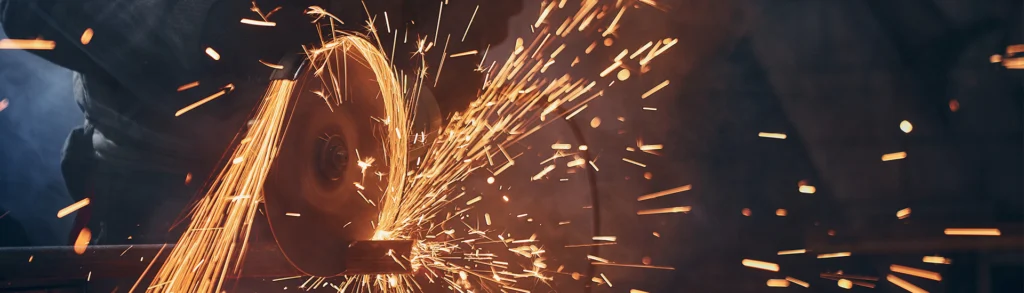
In the steel industry, thermal insulators are mainly used to improve the efficiency, durability and strength of equipment and processes. Due to their high temperature resistance properties when working with materials up to 1200/1300 degrees, composite materials offer significant advantages over traditional materials. Here are some of the main applications of composite materials in the steel industry, furnace linings, transport rollers, rolling cylinders, protective coatings. The adoption of composite materials in the steel industry is driven by the need to improve operational efficiency, reduce maintenance costs and increase equipment durability. Continuous innovation in composite materials allows the development of more advanced and customised solutions for the specific needs of the steel industry.
Research and development

In research and development (R&D), composite and plastic materials play a crucial role due to their exceptional versatility and ability to be engineered for specific applications. R&D in the field of composites aims to develop new materials with improved properties, such as enhanced heat, corrosion and wear resistance, automotive, energy and aerospace sectors. Eco-friendly and recyclable composite materials is an area of great interest, with the aim of reducing environmental impact. Research on composite materials in the energy sector focuses on the development of components for fuel cells and batteries, improving performance and energy storage capacity.In summary, composite and plastic materials are crucial in research and development because of their ability to be engineered to meet specific technical requirements, enhancing innovation and accelerating technological progress in a wide range of applications.
Building
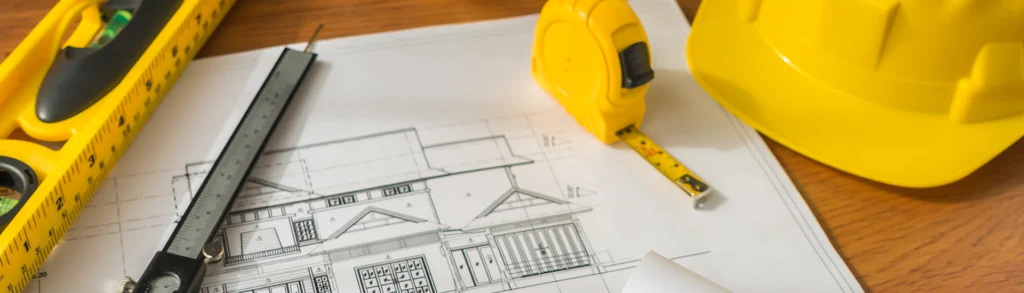
In the building sector, the use of composite materials is a key innovation for more energy-efficient and environmentally sustainable buildings. With the expansion of green building and energy-efficient construction, composite materials play a crucial role in the insulating parts of various structures. Composite materials are used in various parts of constructions to improve the thermal and acoustic insulation of buildings. For example, foundation insulation boards are made of composite materials that offer high insulation performance, reducing heat loss in winter and maintaining a comfortable interior temperature during summer. This contributes significantly to energy savings and occupants’ living comfort. One of the main advantages of composite materials in construction is their lightness and strength. These materials enable the construction of lighter structures, reducing the load on foundations and optimising building stability. Furthermore, the strength of composite materials makes them ideal for use in extreme environmental conditions, ensuring durability and reliability over time. If you would like to find out how our composite materials can improve the energy efficiency, living comfort and environmental sustainability of your building projects, contact us today. We are here to offer technical support and personalised advice to meet your needs.
Compositi e plastici per il settore chimico

Isolmax lavora per il settore chimico materiali compositi e plastici scelti per resistenza alla corrosione, proprietà meccaniche e leggerezza. Nel settore chimico i compositi migliorano sicurezza, efficienza e durata di apparecchiature e impianti, riducono i costi di manutenzione e resistono alla corrosione e all’usura chimica. Per ulteriori informazioni sui nostri prodotti e soluzioni innovative, non esitate a contattarci. Domande frequenti su compositi e plastici per il settore chimico. Isolmax lavora materiali per il settore chimico? Sì. Isolmax lavora materiali compositi e plastici per il settore chimico, scelti per la resistenza alla corrosione e all’usura chimica, le proprietà meccaniche e la leggerezza. Quali vantaggi offrono i compositi negli impianti chimici? Nel settore chimico i compositi migliorano sicurezza, efficienza e durata di apparecchiature e impianti, riducono i costi di manutenzione e resistono alla corrosione e all’usura chimica. Sì. Isolmax lavora materiali compositi e plastici per il settore chimico, scelti per la resistenza alla corrosione e all’usura chimica, le proprietà meccaniche e la leggerezza.Nel settore chimico i compositi migliorano sicurezza, efficienza e durata di apparecchiature e impianti, riducono i costi di manutenzione e resistono alla corrosione e all’usura chimica.
Automotive

In the automotive world, innovation also comes through the use of advanced materials that provide superior performance, greater efficiency and sustainability. Composite and plastic materials are at the heart of this evolution, helping to redefine vehicle design and construction. Weight reduction improves performance and reduces fuel consumption and consequently CO2 emissions, corrosion resistance increases component durability due to rust resistance. In the heat engine sector, composite materials such as polyester glass strips have found great application in assembly line construction. These materials offer durability and strength, improving the efficiency of production processes. the advent of electric vehicles, new applications for composite materials are emerging. For example, epoxy composites are used for the insulation of various parts of the electric motor, ensuring optimal safety and performance. These materials are essential for handling the high voltages and high temperatures typical of electric motors. For more information on our innovative products and solutions, please contact us.
Furniture and design

In the world of design and furniture, the use of innovative materials is key to creating products that are not only aesthetic, but also functional and sustainable. Composite and plastic materials are revolutionising this sector, offering new possibilities for the design of furniture, furnishings and interior solutions. Thanks to their versatility and design flexibility, composites can be moulded into complex and unique shapes, allowing designers to explore new aesthetics and functionalities that, combined with their exceptional resistance to weathering, moisture and wear, make them perfect for both indoor and outdoor use. In addition to furniture and decorative elements, where transparent and coloured acrylic is used, surfaces and coverings such as worktops with a modern and refined appearance are important. Combining lightness and robustness, materials such as Maridur make them ideal for the production of furniture that must be easily transportable or for motorhomes and ships. Not to be underestimated is the economic aspect compared to traditional materials, making high-quality design accessible to a wider audience. Composite and plastic materials are redefining the design and furniture sector, offering new opportunities to create innovative, functional and sustainable spaces. Their versatility and unique properties allow designers to explore new frontiers of creativity and functionality. To find out more about our products and customised solutions, contact us today.
Petrochemical

In the oil industry, the use of composite and plastic materials plays a key role in the safety and efficiency of operations. These materials offer a unique combination of strength, durability and versatility, making them ideal for a wide range of applications. Composite and plastic materials are used to create insulation kits designed specifically for pipelines. These kits offer several advantages, such as corrosion resistance and efficient electrical insulation. Because they are lighter than traditional materials, they allow for quick and easy installation, reducing maintenance costs. Proper insulation of oil pipelines is crucial to ensure safe oil operations and reduce the risk of leakage or environmental damage. Composite and plastic insulation kits help improve the safety and operational efficiency of oil infrastructure, protecting pipelines and optimising overall system performance. We work closely with oil companies to develop tailor-made insulation solutions, adapted to the specific needs and operating conditions of each project.
Navy

In the marine industry, the adoption of composite and plastic materials has revolutionised boat design and construction, offering an exceptional combination of light weight, strength and durability. These materials are widely used to improve boat performance, reducing structural weight and increasing energy efficiency, and are often used in the creation of sleek, lightweight interiors and saltwater-resistant components. We have researched composite materials specifically for the marine industry, in synergy with boat manufacturers, to develop bespoke components that meet the unique needs of the industry. In addition, composite materials are used for thermal and acoustic insulation in engine rooms, ensuring a comfortable living and working environment on board. If you would like to find out how our materials can improve the performance of your boat or ship project, contact us today. We work to help you achieve your goals.
Mechanics
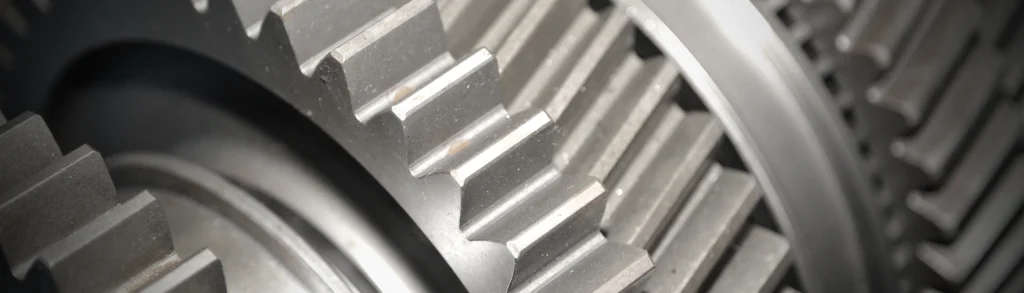
In the mechanical industry, the use of composite and plastic materials represents a fundamental innovation that has revolutionised the way mechanical components are designed and manufactured. These materials offer a unique combination of lightness, strength and versatility, making them ideal for a wide range of industrial applications. They also offer excellent electrical and thermal insulation properties, making them ideal for applications where these aspects are crucial. We process self-lubricating materials such as Bakelite and Teflon, which are ideal for creating gears and sliding parts. These materials reduce friction and wear, improving the life and efficiency of mechanical components. In the mechanical sector, the use of composites and plastics is a strategic choice that combines innovation, efficiency and sustainability. These materials offer advanced solutions to modern technical challenges, improving product performance and contributing to a more sustainable future. For more information on how our composite and plastic products can improve your mechanical applications, please contact us.