Composite materials vs plastics: the main technical differences in industrial applications
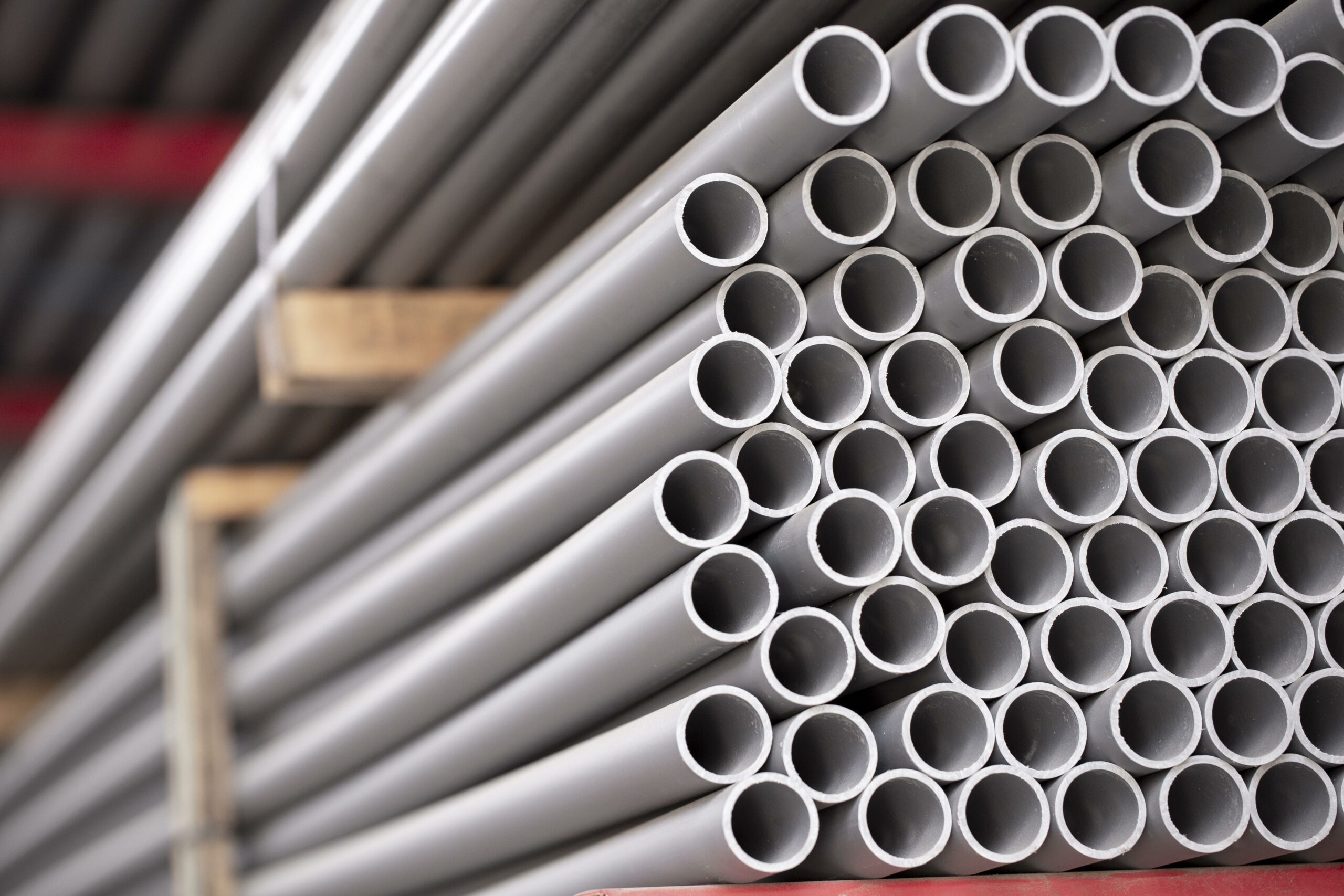
In modern industry, understanding the differences between composite materials and plastic materials is crucial for making an informed choice at such a delicate stage as the design phase. Traditional plastics, while an optimal solution in terms of being lightweight, economical and easy to work with, have structural limitations where high performance is required in terms of:
- mechanical strength
- thermal resistance
- dimensional stability
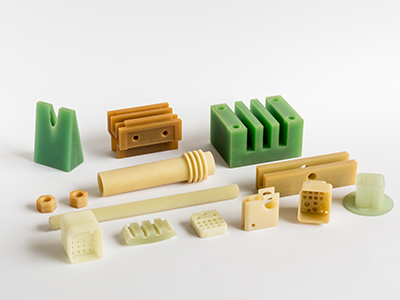
Advanced composites, such as fibre glass and epoxy or polyester laminates, widely used by Isolmax, guarantee superior impact resistance, structural rigidity and electrical insulation. These characteristics make them ideal for applications in sectors such as electrical, railway and precision engineering, where high reliability is an essential requirement. Their multi-layer structure, obtained by pressing multiple technical fabrics, allows them to achieve performance levels that cannot be obtained with plastics alone.
Composite materials vs plastics: how to choose the right material?
The choice between composite materials or plastic materials depends directly on the performance requirements of the project. In contexts where lightness, low cost and high-volume production are priorities, plastics remain an effective solution. However, when requirements such as the following come into play:
- high mechanical strength
- low deformation under load
- dielectric insulation
- thermal stability
composite materials become the most rational and safest choice. Isolmax, thanks to its expertise in insulating laminates, guides customers in selecting the most suitable materials:
- GPO-3 / Max 402: used for electrical applications requiring dielectric rigidity and mechanical strength.
- Vetronite G10 / G11 / FR4 – Max 302: ideal when high performance, thermal stability and CNC machining precision are required.
- Phenolics (Celeron – Max 202): suitable for mechanical components subject to wear.
- Phenolic paper – Max 101: an economical and reliable solution for low voltage applications.
This wide variety allows you to design components without oversizing and significantly reducing maintenance costs.
Why Isolmax is the ideal technical partner when choosing materials
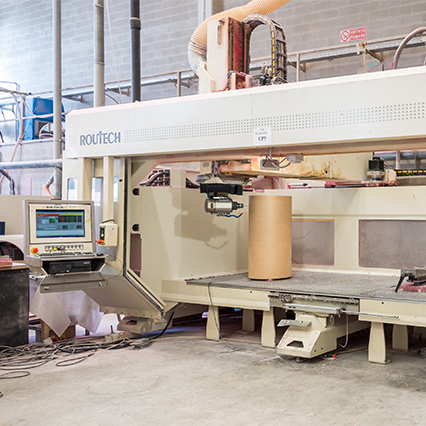
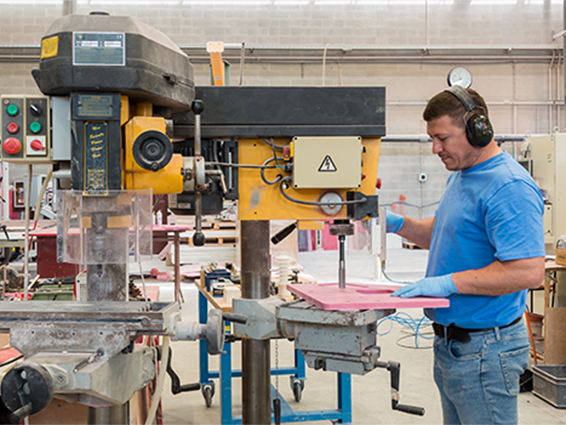
Choosing a specialised partner makes all the difference when it comes to correctly evaluating composite materials and plastics. Isolmax works with both solutions, offering not only certified materials but also a complete technical service ranging from initial consultation to the production of the finished piece. Thanks to 3- and 5-axis CNC machining centres, Isolmax is able to produce customised components to design, with industrial-quality finishes. Its in-depth knowledge of materials, supported by technical catalogues, equivalent standards and proprietary codes, allows it to avoid errors in selection and guarantee maximum reliability. Guaranteed delivery times, constant technical support and the ability to transform design requests into finished products are the pillars of the Isolmax approach. In a market where efficiency counts as much as performance, the combination of advanced materials and processing technologies makes Isolmax a strategic ally for industrial projects at every level.