
A practical guide to a fundamental material
In the industrial world, there are materials that, while not attracting attention, are essential for ensuring the safety, efficiency and durability of systems. Laminated electrical insulators are one such case: silent protagonists in many technical applications.
But what exactly are they? They are composite materials obtained by layering multiple sheets of paper, fabric or fibres impregnated with special thermosetting resins. Once hardened, these resins transform the whole into an extremely resistant product, capable of providing electrical insulation and withstanding very intense physical and thermal stresses.
In other words, they are materials that do not conduct electricity but are highly resistant to heat, vibrations and mechanical stress, even in harsh environments. This combination of characteristics makes these materials highly valued in many sectors.
Laminated insulators are therefore indispensable wherever a balance between electrical protection, durability and physical resistance is required.
What makes them so reliable?
One of their main strengths is undoubtedly their dielectric strength, i.e. their ability to prevent the passage of electrical current even in the presence of high voltages. Added to this is their mechanical strength, which is essential when the materials are used in environments where they are subject to continuous stress, impact or vibration.
Another fundamental element is thermal stability: these insulators maintain their properties even at high temperatures, without deforming or degrading.
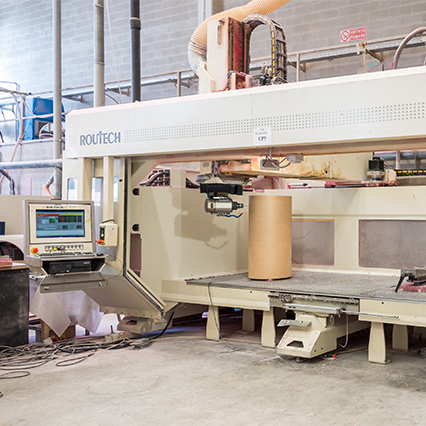
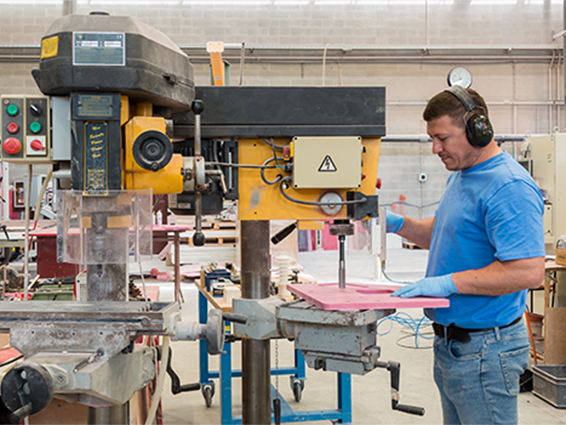
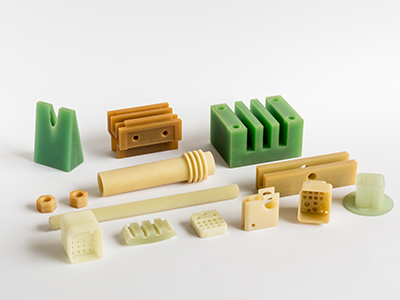
But the most interesting aspect is undoubtedly their versatility. Laminated insulators can be produced in different formats, thicknesses and combinations, adapting to a wide range of technical requirements. Some companies, such as Isolmax , have made this flexibility their strong point, offering customised solutions for every type of application with extremely high quality standards.
Areas of use: more widespread than you might think
There is no single sector where they are used: laminated insulators are present in many areas.
In the energy sector, for example, they are used in transformers, generators and high-voltage equipment, where electrical insulation is a matter of safety. In public and private transport – such as trains, buses and electric vehicles – they are part of electrical systems, ensuring reliability over time.
Another sector in which they are constantly used is undoubtedly industrial automation: electric motors, control panels and other devices require materials that can work without problems even under harsh conditions.
Finally, they are also widely used in the naval and aerospace sectors, where reliability, lightness and durability are essential requirements. In these contexts, being able to rely on certified materials that can be adapted to specific needs really makes the difference.
All this explains why laminated insulators are not simply a technical detail but a strategic choice for the safety and efficiency of entire plants.
Tailor-made solutions: why they make the difference
The ability to adapt the material to the customer’s real needs – whether in terms of size, performance or operating conditions – is what makes these insulators so strategic. Companies such as Isolmax, which offer tailor-made products, are now a benchmark for those seeking quality, safety and durability.
In short: it is not just a question of materials but of intelligent choices that improve performance and reduce risks.