When lightness, strength and intelligent materials really make the difference
When we talk about composite materials, our thoughts immediately turn to ultra-technological contexts or highly specialised sectors. Yet today more than ever, these materials are leaving the laboratories and entering the heart of industry: sectors that are crucial, such as energy or rail transport, which are making ever increasing use of them with surprising results.
We are talking about materials created by combining fibres and resins, capable of combining seemingly opposing qualities: strength and lightness, insulation and stability. A balance that is not easily found elsewhere.
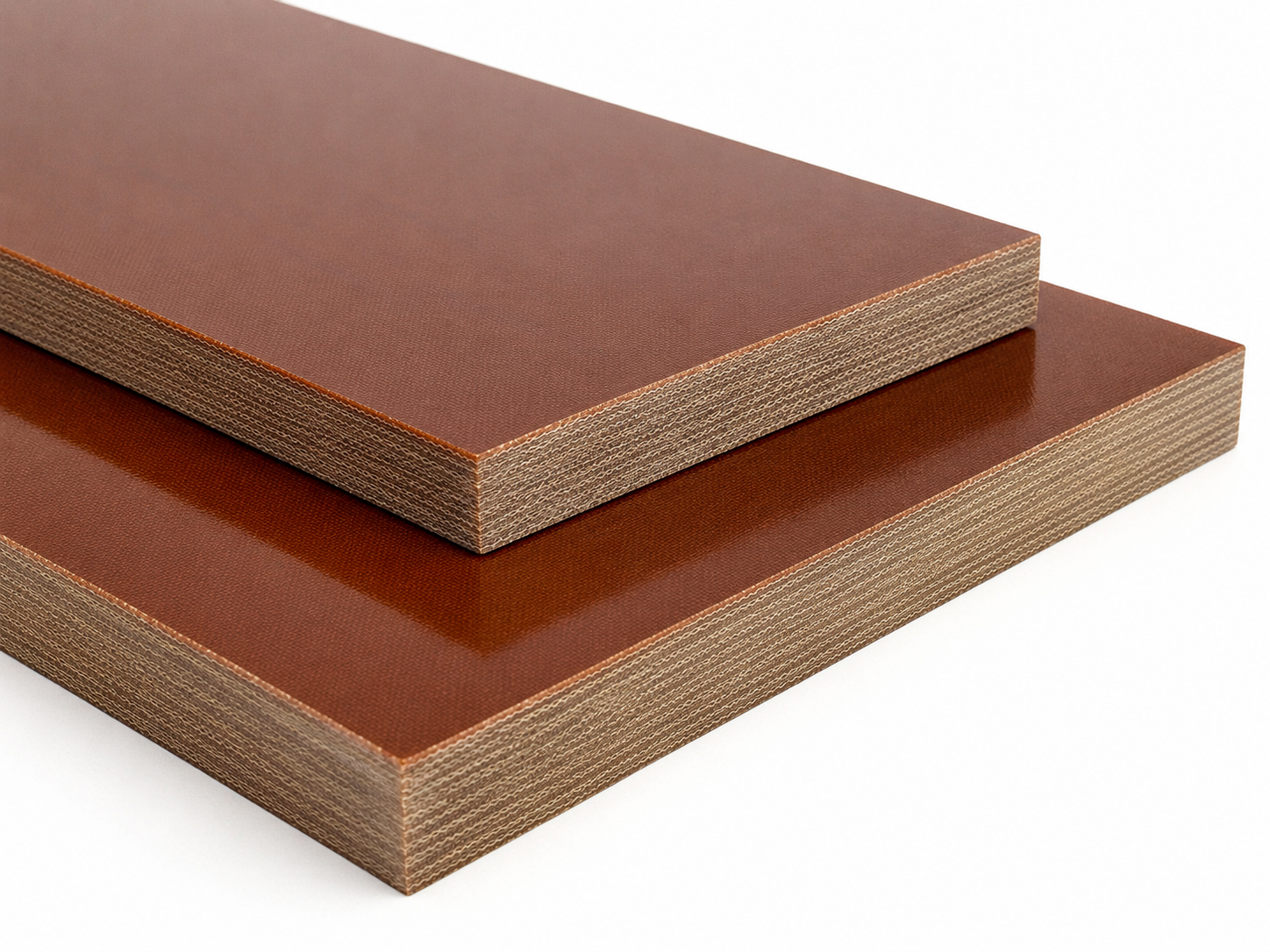
Among the most widely used compounds are GPO3 and FR5, two names that may mean little to the general public, but which represent a certainty for designers and engineers. It is not just a question of performance, but of long-term reliability, a fundamental characteristic in sectors where error is not an option.
This reliability is what allows companies to plan investments and infrastructure with greater certainty, reducing the risk of failure to a minimum.
Energy: reliability and resistance, even in extreme conditions
GPO3: resistance and practicality
In the energy sector, composite materials are now a structural element: they are found in transformers, electrical panels and high-voltage systems. They must withstand intense stress and work in often hostile environments without losing efficiency.
GPO3, for example, is appreciated for its resistance to electric arcs and its ease of working. It is a reliable material for insulating panels and structural components.
FR5: stability at high temperatures
FR5, on the other hand, is the ideal solution for those seeking stability even at high temperatures. It maintains its dielectric properties even after long cycles of use, making it perfect for environments where operational continuity is essential.
Isolmax: tailor-made solutions
The manufacturing landscape features companies such as Isolmax, which have focused on quality and customisation. They do not just supply materials: they offer solutions, often tailor-made, designed to adapt to very specific needs.
This customer-oriented approach allows them to integrate composite materials into complex projects, always offering the certainty of a very high quality standard.
Rail transport: every gram counts
Safety and efficiency
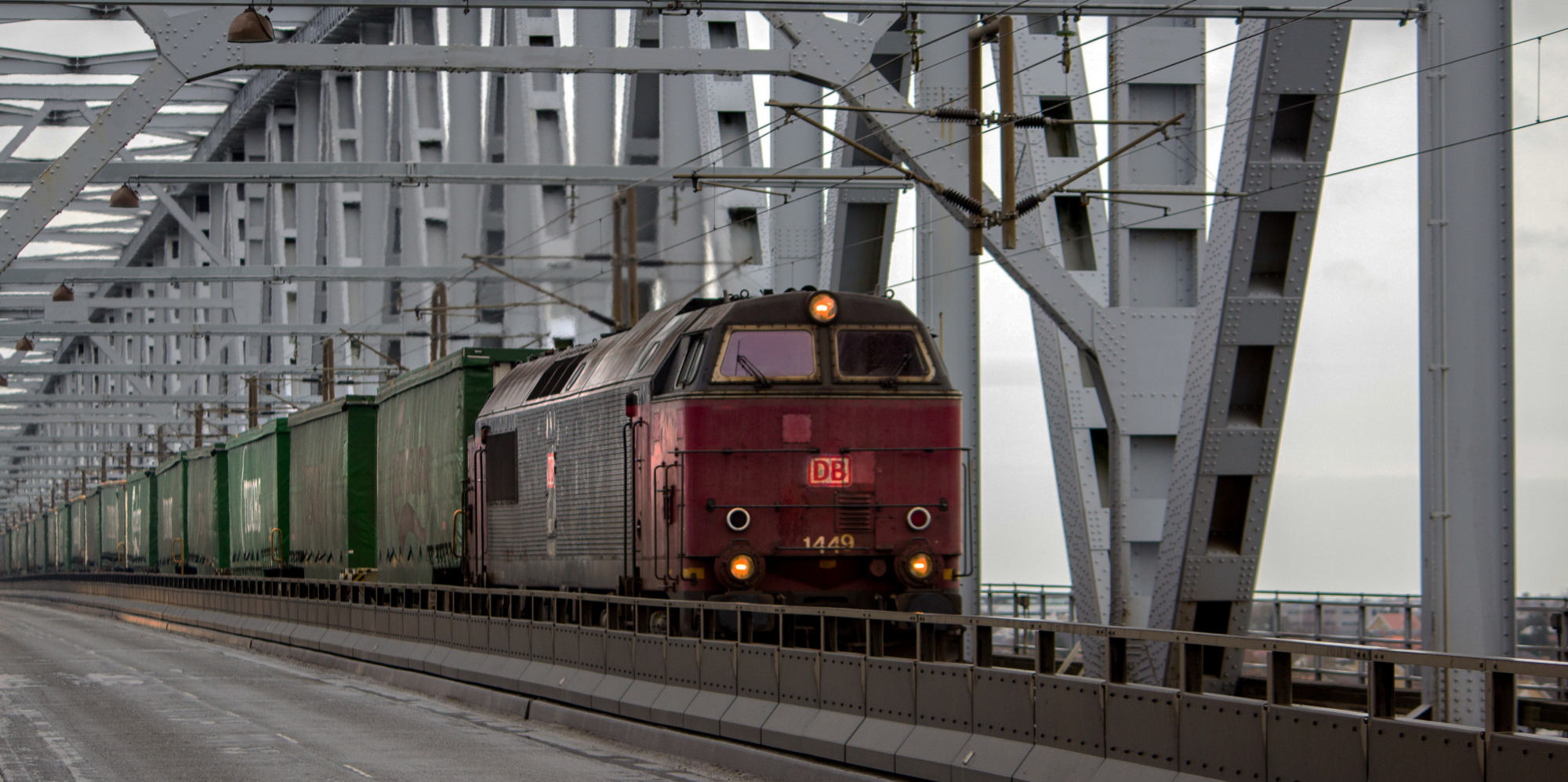
The world of rail transport is characterised by constant vibrations, continuous mechanical stress and extremely high safety standards. In this context, composite materials make all the difference.
FR5 (formerly G11) and GPO3 are now among the most widely used materials in the rail industry precisely because they are classified as V0 (self-extinguishing) and halogen-free, characteristics that are essential for use in this sector. These properties guarantee safe behaviour in the event of fire and the absence of toxic emissions, ensuring compliance with the most stringent international regulations.
Isolmax also has the relevant certifications attesting to its compliance with railway requirements, a fundamental element for those operating in this field.
Weight reduction and energy benefits
What is one of the most obvious advantages? Reduced weight. GPO3 and FR5 contribute not only to electrical insulation but also to structural lightening of vehicles. And less weight means greater energy efficiency, lower consumption and, ultimately, less environmental impact.
For railway operators, this means lighter trains, lower maintenance costs and greater competitiveness in the sustainable transport market.
The Isolmax approach
Here too, Isolmax stands out for its integrated approach combining engineering design and the ability to adapt to different projects. In such a complex sector, this flexibility becomes a competitive advantage.
Conclusion: materials that speak of the future
From high-voltage pylons to railway carriages, composite materials are becoming increasingly prominent. They are no longer an alternative choice: in many cases, they represent the most logical and forward-looking solution.
The future of the industry will inevitably depend on the ability to develop smart materials capable of addressing complex technical challenges with tailor-made solutions. In this regard, the combination of technical expertise and production innovation will be fundamental.